
Mindfulness Course With a Former Monk: What to Expect From Six Weeks
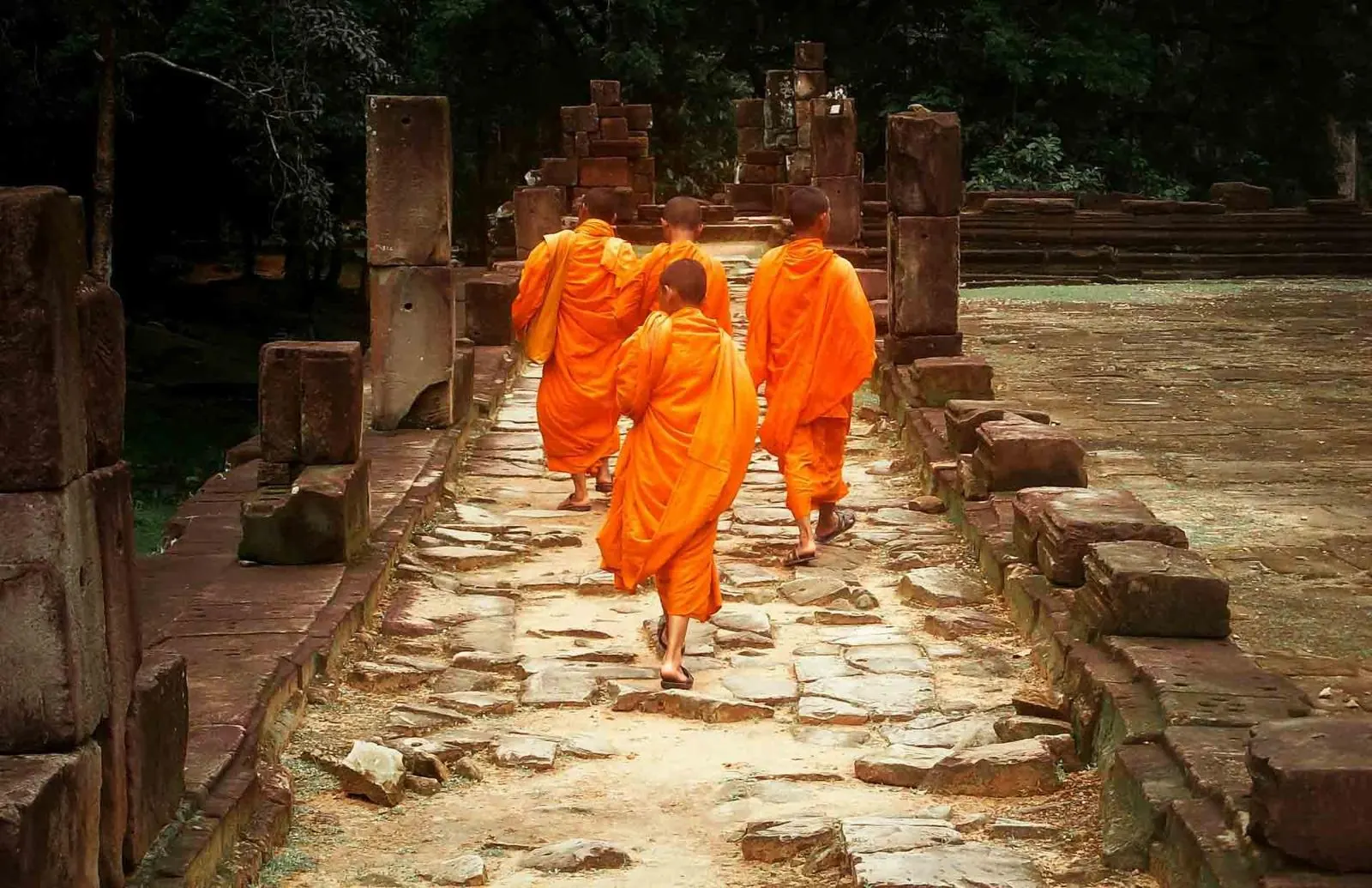
Considering a six-week mindfulness course with a former monk? Here is how it works, who it suits and what a Buddhist-rooted course offers.
You have tried the apps. You have a streak, a library of calming voices and a nagging feeling that you are not really learning anything. You want to understand mindfulness properly, from someone who has actually lived it.
If you are searching for a mindfulness course taught by a former monk, this guide explains what that means, how a six-week course is structured, and whether it is the right fit for you.
Why learn from someone trained in a monastery
Mindfulness comes from Buddhist meditation. Learning from a teacher who spent years training in that tradition is a different experience from following a general wellbeing script. It tends to bring:
- Depth of understanding. Not only how to do a technique, but why it works as it does and where it fits.
- Practical wisdom. A teacher who has faced a restless mind over thousands of hours is rarely surprised by yours.
- Openness about the process. Real practice includes boredom, doubt and difficulty, and an experienced teacher treats them as normal.
A teacher's background is not a guarantee of good teaching. It is one useful signal, alongside clarity, kindness and the ability to bring ideas into everyday life.
Who teaches the course
Karuna Priya spent more than 15 years living and studying in Buddhist monasteries in Thailand, Sri Lanka and Bangladesh. He returned to lay life to explore how contemplative practice holds up amid work, money, relationships and responsibility, and today serves as Chaplain at Imperial College London. The Introduction to Mindfulness course was developed by Karuna together with Nitima Priya. It is rooted in the traditional Buddhist way of teaching, alongside modern perspectives on wellbeing. No belief is required.
How the six weeks work
The course is delivered live online, in a group, over six weekly sessions. Between sessions you practise at home with guided recordings and keep a weekly log, and a workbook goes with the course. The progression moves from setting up a simple daily practice towards working with thoughts, emotions and everyday stress.
What you get
- Six live sessions: a chance to ask questions and get feedback.
- Workbook and weekly log: a structure for reflecting on what you notice.
- Guided audio recordings: support for daily practice between sessions.
- A group of fellow beginners: shared experience and accountability.
Six weeks is long enough to build a habit and short enough to commit to. It is a foundation, not a finish line.
What you can reasonably expect
People come to mindfulness for many reasons: stress, a busy mind, sleep, a wish for steadier emotions, or a sense of living on autopilot. Practice can help you notice what is happening more clearly and respond with a little more choice. We do not promise specific results, because they vary from person to person and depend on regular practice.
What you can expect is clear instruction, plain guidance, and a pace that suits beginners and people who have tried before. If you want a taste first, read our guides on how to quiet a busy mind and learning Buddhist meditation online.
Who it is for, and who it may not be for
The course suits beginners and those who have dabbled with apps and want firmer footing. It asks for some time and a willingness to practise between sessions.
Mindfulness is not a substitute for medical or psychological care. If you are going through a period of severe distress, speak to your GP or a qualified professional first. They can help you decide whether a group course is right for you at this time.
How to start
The simplest first step is our free live masterclass. It introduces the foundations, lets you meet Karuna and shows you how we teach, with no commitment to the course. If you decide to continue, upcoming course dates are shared there.
Reserve your place at the free live masterclass →
Frequently asked questions
Do I need any experience?
No. The course is designed for beginners and for those who have tried meditation on their own.
Is the course religious?
It is rooted in Buddhist teaching, but no belief or religious practice is required. You are invited to try the methods and judge them by your own experience.
What is the difference between mindfulness and meditation?
Mindfulness is the quality of paying attention to present experience on purpose. Meditation is the practice of training that quality. The course teaches both.